Mount Fuji Complete Travel Guide 2026: UNESCO Heritage, Day Trips & Lake Kawaguchiko
UNESCO World Heritage Site Since 2013
Mount Fuji
Mount Fuji Travel Guide 2026
Experience Japan’s most iconic symbol: A UNESCO World Heritage masterpiece standing 3,776 meters above sea level
3,776m
Japan’s Highest Peak
5M+
Annual Visitors
2013
UNESCO Heritage
100km
From Tokyo
Mount Fuji Travel Guide 2026: Japan’s Sacred Symbol
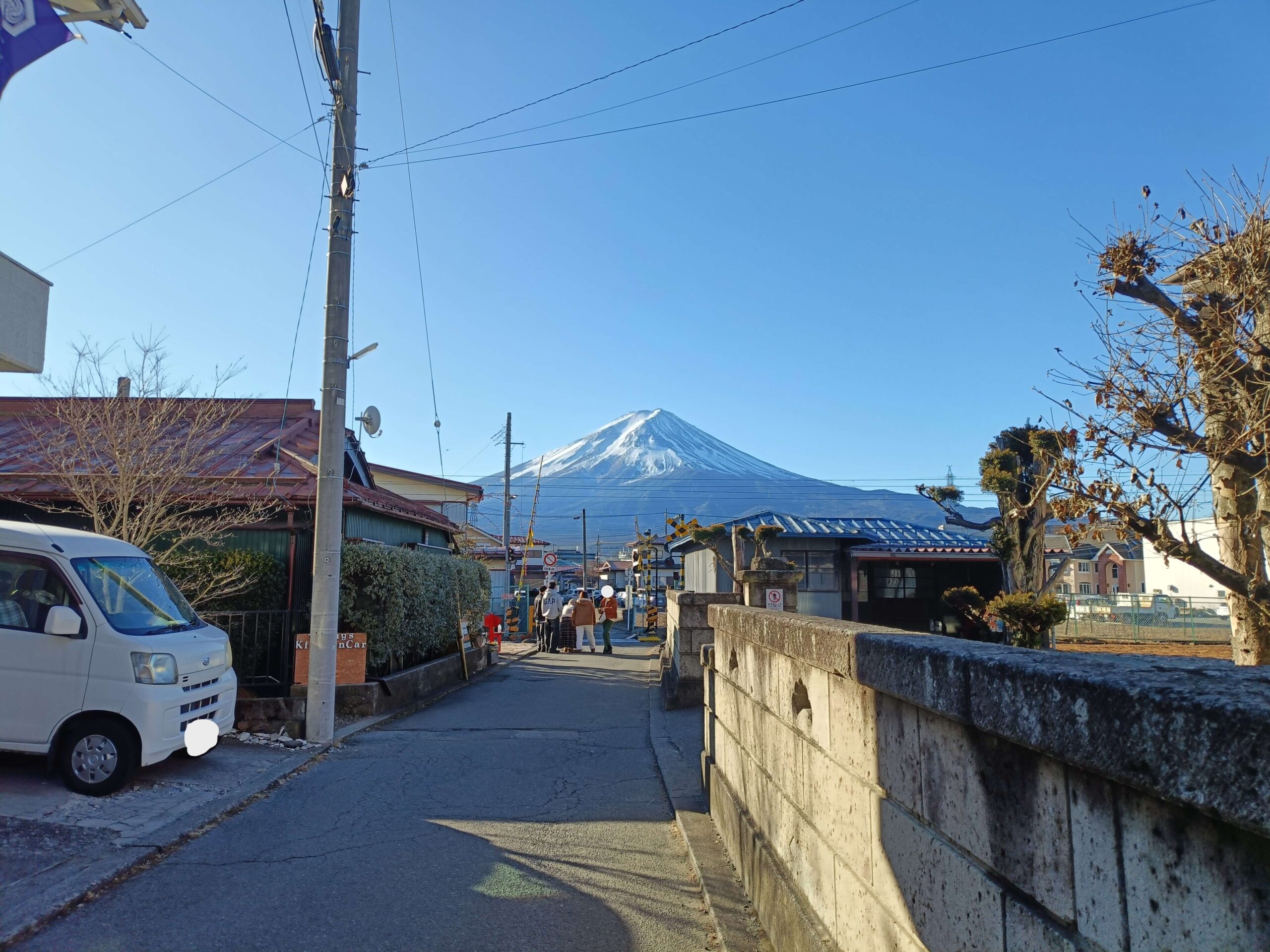
Welcome to the complete Mount Fuji travel guide 2026.Mount Fuji is more than just a mountain—it’s the soul of Japan. Standing at 3,776 meters (12,389 feet), this perfectly symmetrical volcano has inspired artists, poets, and pilgrims for centuries. Recognized as a UNESCO World Heritage Site in 2013, Mount Fuji represents a harmonious blend of natural beauty and cultural significance.
Whether you’re planning to climb to the summit, enjoy breathtaking views from Lake Kawaguchiko, or experience a comfortable day trip from Tokyo, Mount Fuji offers unforgettable experiences for every type of traveler. Since its UNESCO designation, visitor numbers have more than doubled from 2 million in 2012 to over 5 million annually, making it one of the world’s most visited natural landmarks.
UNESCO HeritageNatural WonderAdventure Destination
Best Time to Visit
October-February for clearest views and snow-capped beauty. Climbing season: Early July to mid-September. Avoid June-August rainy season for best visibility.
Day Trip Perfect
Just 100km from Tokyo—easily accessible for a day trip. Private tours with English-speaking drivers offer the most comfortable and flexible experience.
Recommended Experience
Ultimate Mt. Fuji Private Day Trip from Tokyo
Experience Mount Fuji in comfort and style with a private car and English-speaking driver. This customizable tour picks you up from any Tokyo hotel and takes you to the best viewing spots, including Lake Kawaguchiko and the iconic 5th Station.
Mount Fuji Travel Guide 2026: Lake Kawaguchiko: Mt. Fuji’s Perfect Frame
The most popular and accessible viewing destination in the Fuji Five Lakes region
Why Lake Kawaguchiko?
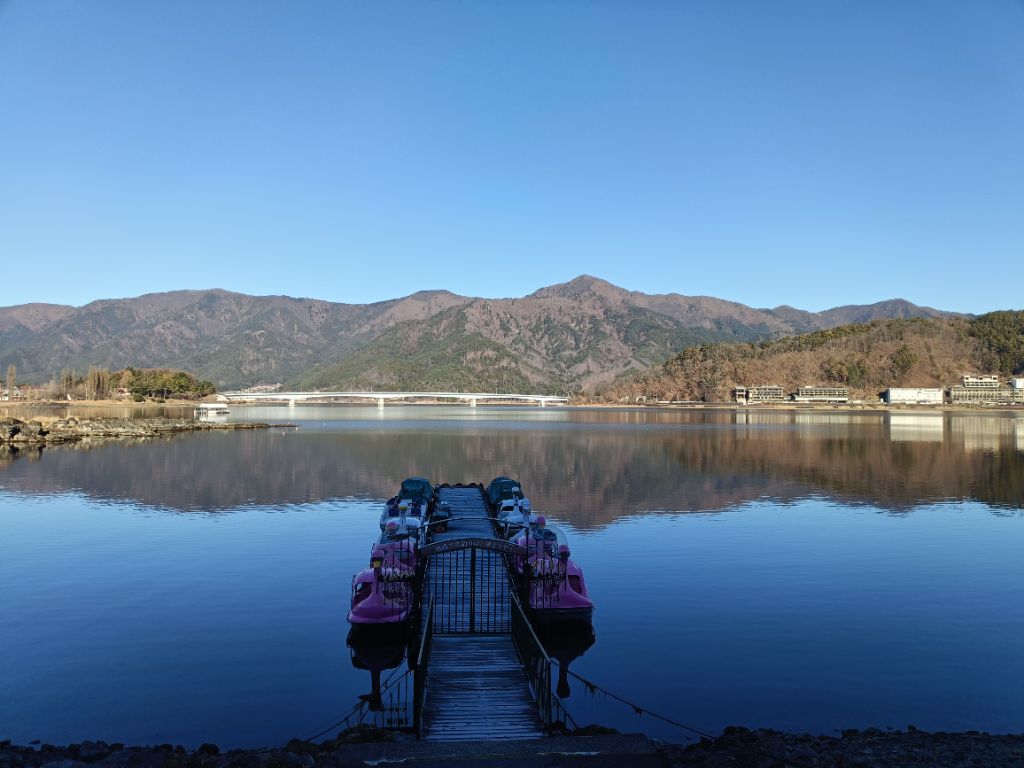
Lake Kawaguchiko offers the most iconic views of Mount Fuji, with the mountain’s perfect reflection mirrored in the calm waters. Located just 100km from Tokyo, this charming lakeside town provides postcard-worthy photo opportunities, traditional hot springs, cultural attractions, and easy access to the Mt. Fuji 5th Station.
Perfect for All Travelers
Whether you’re a photographer seeking the perfect shot, a family looking for scenic relaxation, or an adventurer planning to climb Fuji, Lake Kawaguchiko serves as the ideal base with its combination of natural beauty, comfortable accommodations, and excellent transport links.
Mt. Fuji Panoramic Ropeway
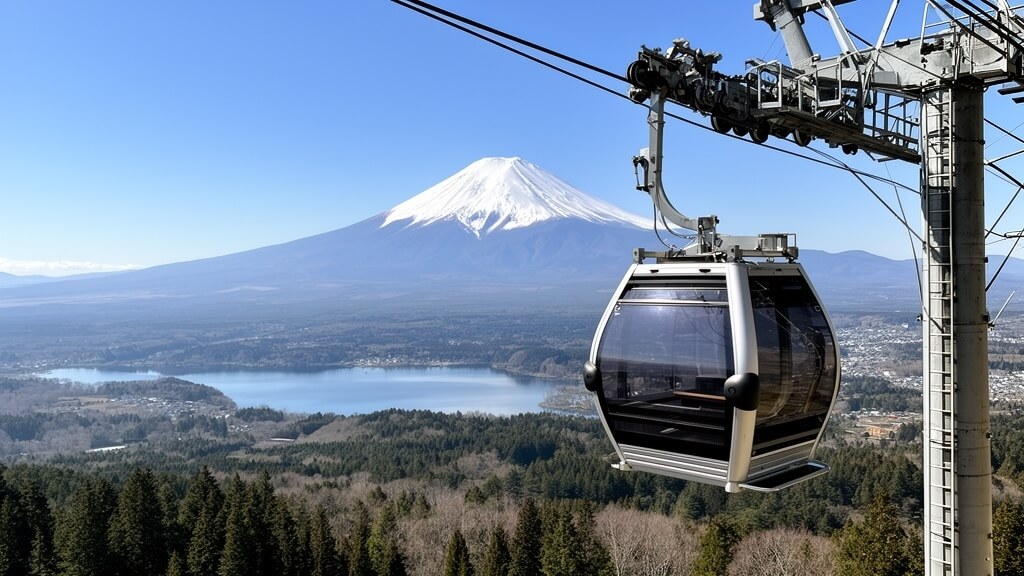
Ride the cable car to Mount Tenjo for breathtaking 360° views of Mount Fuji, Lake Kawaguchiko, and the surrounding mountains. The observation deck at 1,075 meters offers one of the best vantage points in the region.
9:00 AM – 5:00 PM
Oishi Park
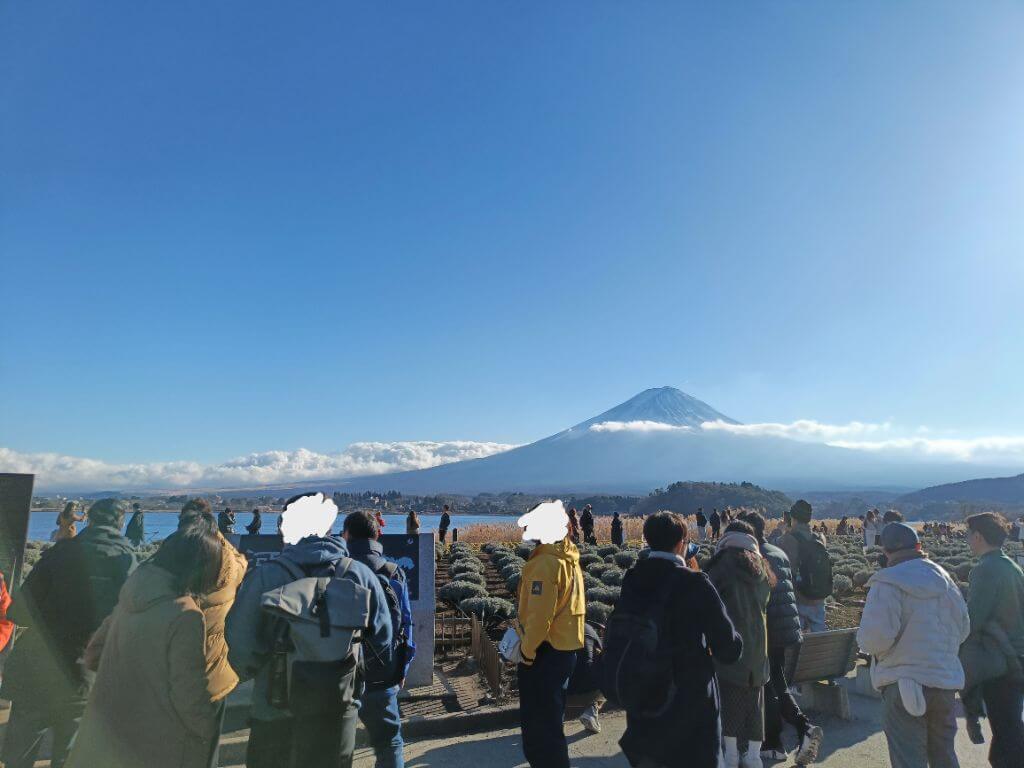
Famous for seasonal flower gardens with Mount Fuji as the backdrop. Visit during spring for nemophila (baby blue eyes), summer for lavender, and autumn for kochia bushes turning bright red.
Free admission
Lake Activities
Enjoy swan boat rentals, sightseeing cruises, fishing, and lakeside cycling. The 20km cycling path around the lake offers ever-changing perspectives of Mount Fuji with bike rentals available throughout the town.
Bike rental available
Mount Fuji Travel Guide 2026: Top Viewing Spots
Capture the perfect shot from these incredible vantage points
Mt. Fuji 5th Station
Located at 2,300 meters elevation, the 5th Station is the highest point accessible by vehicle and serves as the starting point for most climbers. Even non-climbers can enjoy spectacular views, mountain air, souvenir shops, and restaurants. Accessible year-round when roads are open (closed in winter due to snow).
Weather tip: Arrive early morning for clearest views. Clouds often roll in by afternoon, obscuring the summit.
Chureito Pagoda
This five-story pagoda in Arakurayama Sengen Park offers one of the most photographed views of Mount Fuji. Climb 400 steps to the observation deck where the red pagoda perfectly frames the mountain. Absolutely spectacular during cherry blossom season (early-mid April) and autumn colors (November).
400 steps to viewing platform • Free admission
Oshino Hakkai Springs
Eight sacred spring-fed ponds with crystal-clear water filtered through Mount Fuji’s lava layers over 80 years. The traditional village setting with thatched-roof houses creates a timeless scene. The ponds’ brilliant blue color and underwater visibility make for stunning photography with Fuji in the background.
Perfect for traditional Japan photography
Lake Yamanakako
The largest of the Fuji Five Lakes offers expansive views with Mount Fuji rising directly from the opposite shore. Less crowded than Kawaguchiko, it’s popular for water sports in summer and the “Diamond Fuji” phenomenon in winter when the setting sun aligns perfectly with the summit.
Diamond Fuji: Best viewed February 3-5 and October 19-21 from Lake Yamanakako
Climbing Mount Fuji
Essential information for those planning to reach the summit
Climbing Season & Requirements
Official Season: Early July – Mid September
Mountain huts, facilities, and safety services operate only during this period. Climbing outside this season is extremely dangerous and strongly discouraged.
Peak Crowds: Late July – Late August
Expect heavy crowds during Obon holidays (mid-August). Over 300,000 people climb Fuji annually. For fewer crowds, visit early July or early September.
2025 Requirements: Reservation & Fee
New regulations require advance reservations and an entrance fee (¥2,000). Daily climber caps implemented to preserve the mountain. Book early!
Essential Preparations
What to Bring
Warm layered clothing
Rain gear
Headlamp with batteries
Hiking boots
Sun protection
Plenty of water
Energy snacks
Cash (no ATMs)
Important Safety Warning
Temperature at the summit can be 15-20°C (27-36°F) colder than at base. Altitude sickness is common. Take your time, stay hydrated, and descend immediately if symptoms worsen. Many climbers start at night to reach the summit for sunrise—this requires excellent preparation and a headlamp.
First-time climber? Consider joining a guided climbing tour for safety, local expertise, and pre-arranged mountain hut reservations.
Combine Mt. Fuji with Your Tokyo Adventure
Perfect day trip from Tokyo—experience both modern metropolis and natural wonder
Narita Airport Transfer
Start your Japan adventure right with private transfer from Narita Airport to your Tokyo hotel. Comfortable, hassle-free arrival.
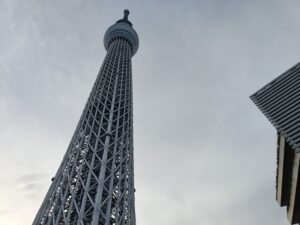
Arrive at Narita → Transfer to Tokyo hotel → Explore Asakusa, Skytree & experience traditional culture → Day trip to Mt. Fuji with private car → Return to Tokyo for more adventures
Enhance your Tokyo adventure with authentic Japanese cultural activities
Temari Sushi Making Experience
Create beautiful temari (ball-shaped) sushi under the guidance of an expert instructor. These colorful, bite-sized sushi balls are not only delicious but also look like traditional Japanese handball decorations. Perfect activity before or after your Mount Fuji adventure.
Mount Fuji is only 100km from Tokyo—easily accessible for a comfortable day trip. Leave your hotel in the morning, experience Fuji’s magnificence, and return to Tokyo by evening.
Perfect Contrast
Experience the best of both worlds: Tokyo’s ultramodern cityscape and cutting-edge technology, contrasted with Mount Fuji’s timeless natural beauty and spiritual significance.
Base in Tokyo
Stay in one location with easy access to both city attractions and nature. No need to change hotels or lug around luggage. Maximize your time with efficient travel planning.
Complete Japan Experience
This combination captures the essence of Japan: ancient traditions, natural wonders, modern innovation, and rich culture—all in one efficient, unforgettable trip.
Mount Fuji Travel Guide 2026: Practical Information
Everything you need to know for a perfect Mt. Fuji visit
Getting There from Tokyo
Private Car (Recommended)
2-2.5 hours direct from Tokyo hotels. Most comfortable and flexible option with English-speaking driver.
Highway Bus
2-2.5 hours from Shinjuku Station to Kawaguchiko. Budget-friendly at ¥2,000-3,000. Reserve in advance.
Train
JR Chuo Line + Fuji-Kyuko Line to Kawaguchiko Station. Scenic route, about 2.5-3 hours total.
Best Times to Visit
October – February
Best visibility! Clear winter air offers stunning snow-capped views. Cold but excellent for photography.
March – May
Spring beauty with cherry blossoms and warming weather. Still good visibility before rainy season.
July – September
Climbing season! Best for summit attempts. More crowds, less visibility from lower elevations.
June – Avoid
Rainy season. Poor visibility and cloudy skies often obscure the mountain completely.
Essential Tips
Check weather forecast before traveling. Mt. Fuji is often hidden by clouds—plan accordingly.
Early morning offers clearest views. Afternoon clouds frequently obscure the summit.
Dress in layers. Temperature drops significantly at higher elevations, even in summer.
Bring cash. Many mountain area shops don’t accept credit cards.
Internet connectivity can be limited in mountain areas. Download maps offline.
Allow full day for the trip. Don’t schedule evening activities in Tokyo on the same day.
Mount Fuji Travel Guide 2026: Seasonal Experiences
Each season offers unique beauty and activities around Japan’s iconic mountain
Spring
(Mar.-May)
Cherry Blossoms: Mid-April at Kawaguchiko & Chureito Pagoda
Shibazakura Festival: Late April-May pink moss phlox fields
Weather: Warming up, good visibility, snow-capped peak
Summer
(Jun.-Aug.)
Climbing Season: Early July – Mid September official climbing period
Lavender: June-July at Oishi Park overlooking the lake
Fireworks: Spectacular summer fireworks festivals at lake
Autumn
(Sep.-Nov.)
Fall Foliage: October-November stunning red maple leaves
Clear Skies: Excellent visibility for photography
Kochia Bushes: Red carpet effect at Oishi Park
Winter
(Dec.-Feb.)
Best Visibility: Crystal clear air, perfect photography conditions
Diamond Fuji: Sunset aligns with summit (specific dates)
Snow Activities: Skiing and snow festivals in the area
Ready to Experience Mount Fuji?
Discover Japan’s most iconic symbol, create unforgettable memories, and capture the perfect photo of this UNESCO World Heritage masterpiece