Harajuku’s 4 Must-See Attractions: The Ultimate Guide for Foreign Tourists
Tokyo’s Most Iconic District
Discover Harajuku: Where Tradition Meets Pop Culture
From the birthplace of kawaii culture to Tokyo’s most visited shrine, explore 4 must-see destinations that define this vibrant neighborhood
Fashion Capital Sacred Shrine Luxury Shopping
What is Harajuku?
Harajuku is Tokyo’s beating heart of youth culture, fashion innovation, and creative expression, located in the vibrant Shibuya ward. This internationally famous neighborhood has earned its reputation as the birthplace of kawaii (cute) culture and remains the epicenter of Japan’s most extreme teenage fashion subcultures, drawing millions of visitors annually from around the globe according to Visit Tokyo.
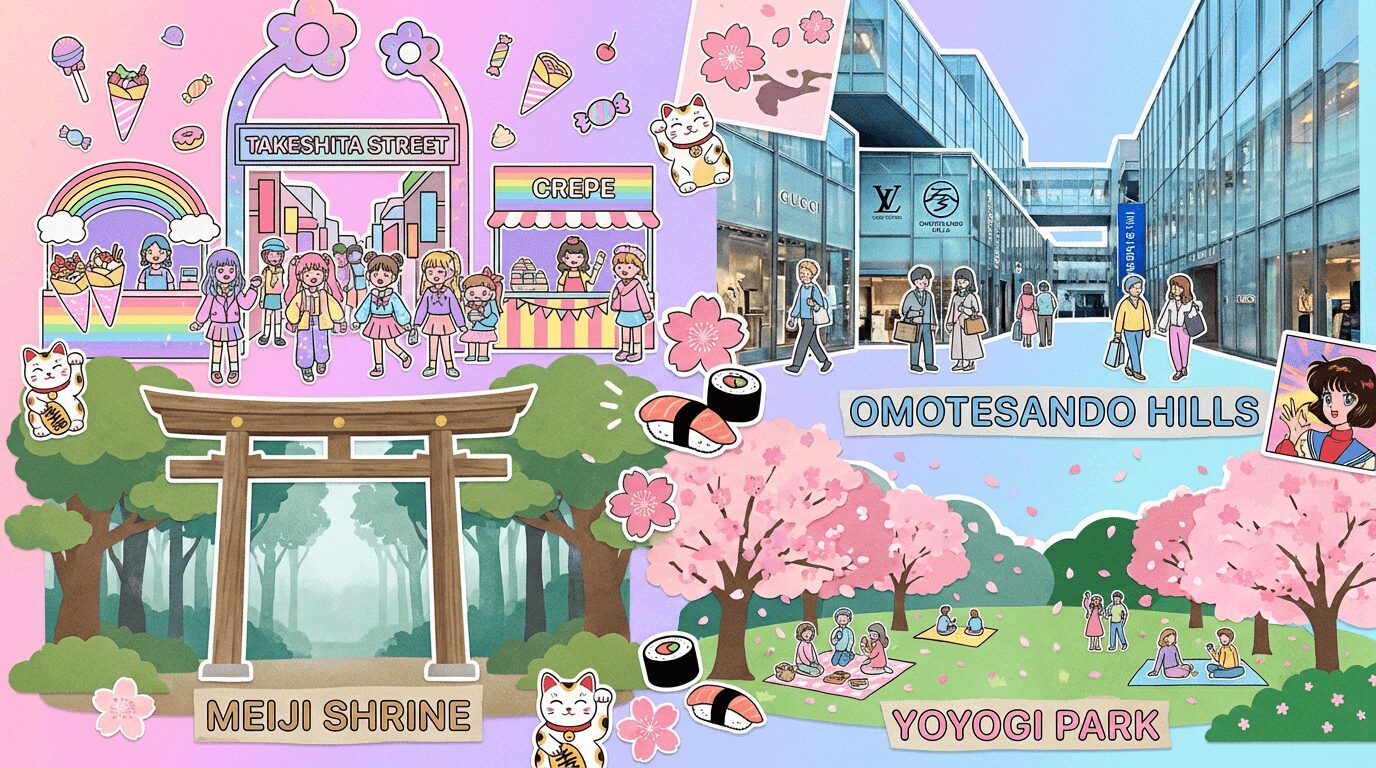
What makes Harajuku truly unique is its remarkable ability to seamlessly blend contrasting worlds within walking distance. On one side, you’ll find the serene, forested grounds of Meiji Shrine—Tokyo’s most visited religious site with over 3 million New Year visitors as noted by japan-guide.com. Just steps away, the neon-lit chaos of Takeshita Street pulses with teenage energy, where experimental fashion meets Instagram-worthy rainbow food. This juxtaposition of ancient tradition and cutting-edge pop culture creates an atmosphere found nowhere else in the world.
The district established itself in the 1990s as a meeting place for young Japanese people who rejected mass consumption and instead embraced individual expression through bold fashion choices, as detailed by Japan Experience. Today, Harajuku serves as both a testing ground for new trends before they reach wider markets and a global symbol of Japanese youth culture that has influenced fashion scenes from Paris to New York to Seoul.
Getting to Harajuku
Harajuku Station
JR Yamanote Line: The most convenient option. Harajuku is directly on Tokyo’s loop line, making it easily accessible from major stations like Shibuya (2 min), Shinjuku (7 min), or Tokyo Station (25 min).
This station is home to Tokyo’s oldest wooden station building and is your closest entry point to both Takeshita Street and Meiji Shrine.
Meiji-jingumae (Harajuku) Station
Tokyo Metro Chiyoda Line: Direct connections from central areas
Tokyo Metro Fukutoshin Line: Connects to Ikebukuro and beyond
Use Exit 5 or 7 for quick access to Omotesando Hills and the shopping district.
Harajuku Station
Meiji-jingumae Station
Pro Tip:
Purchase a IC card (Suica or PASMO) for seamless travel across all Tokyo trains and subways. Both stations are within a 5-minute walk of each other, so you can choose based on your starting location.
4 Must-Visit Attractions in Harajuku
From the vibrant chaos of Takeshita Street to the tranquil sanctuary of Meiji Shrine, these four destinations showcase the incredible diversity that makes Harajuku one of Tokyo’s most beloved neighborhoods. Let’s dive deep into what makes each location special.
Takeshita Street
Kawaii Culture Hub
Meiji Shrine
Sacred Sanctuary
Omotesando Hills
Luxury Architecture
Yoyogi Park
Urban Oasis
01
Takeshita Street (竹下通り)
400 Meters of Pure Kawaii Energy
The Heartbeat of Harajuku
Takeshita Street is not just a shopping street—it’s a cultural phenomenon that has defined youth fashion for decades. As reported by Tokyo Cheapo, this narrow 350-meter pedestrian lane has evolved from its 1990s origins as a hub for counterfeit American brands into the global epicenter of kawaii culture, where new fashion trends are born and tested before spreading worldwide.
According to japan-guide.com, Harajuku is “the center of Japan’s most extreme teenage cultures and fashion styles,” and Takeshita Street is where this energy is most concentrated. The street’s transformation reflects Japan’s broader cultural shift, where youth rejected mass consumption in favor of bold individual expression through fashion.
Why Foreign Tourists Love It
Instagram Paradise: Rainbow cotton candy, spiral potatoes, and colorful crepes designed to be photographed
Unique Fashion: From Gothic Lolita to punk, see styles you won’t find anywhere else
Trend Testing Ground: Many small boutiques test new concepts here first before going mainstream
Pop Culture Heaven: Entire stores dedicated to anime goods, gachapon capsule toys, and character merchandise
Shopping & Dining Highlights
Must-Visit Shops
W C & Boutique Takenoko
Bright, playful outfits and over-the-top costumes. Note: Photography prohibited inside Takenoko as mentioned by Tokyo Cheapo
ACDC Rag
Mix of Gothic Lolita, punk, and alternative fashion. A favorite among serious fashion enthusiasts
Panama Boy & Chicago
Vintage and remade clothing with unique accessories—perfect for one-of-a-kind finds
Daiso (Multi-Floor)
Japan’s famous 100-yen shop with exclusive Harajuku souvenirs and affordable cosmetics
Can’t-Miss Food Spots
Harajuku Crepes (Multiple Stands)
The street’s signature snack—fillings range from strawberries to whole cheesecake slices. Sweet Box is a popular choice
Totti Candy Factory
Giant rainbow cotton candy that became an Instagram phenomenon worldwide
Long! Longer!! Longest!!!
Unbelievably long spiraled potatoes—a spectacle to eat and photograph
Gamaro GangJung
Korean-style cheese dogs, including rainbow-colored variations for the ultimate photo op
Best Times to Visit & Pro Tips
Timing
Weekends (Especially Sundays): Best chance to see locals dressed in elaborate fashion styles
Weekday Mornings: Fewer crowds, easier to browse shops and take photos
Avoid: Weekend afternoons (2-6 PM) when crowds become overwhelming
Essential Tips
Photo Etiquette: Always ask permission before photographing people in costume
Don’t Cycle: The street is too crowded for bikes—walk only
Explore Side Alleys: Hidden shops and quieter cafes are tucked away off the main street
Takeshita Street Location
02
Meiji Shrine (明治神宮)
A Forest Sanctuary in the Heart of Tokyo
Where Tranquility Meets History
Just a 10-minute walk from the chaos of Takeshita Street lies one of Japan’s most significant spiritual sites. According to japan-guide.com, Meiji Shrine is dedicated to the deified spirits of Emperor Meiji (1852-1912) and Empress Shoken, who led Japan’s transformation from a feudal society into a modern global power during the Meiji Period.
The shrine was completed in 1920, eight years after Emperor Meiji’s death, and while the original buildings were destroyed during World War II, they were rebuilt shortly after the war. What makes this location truly remarkable is the surrounding forest of approximately 100,000 trees donated from across Japan, creating what Meiji Jingu’s official site describes as an “air of tranquility” that feels worlds away from Tokyo’s urban density.
As the most visited shrine in Japan during New Year celebrations—welcoming over 3 million visitors for hatsumode (first prayers of the year)—Meiji Shrine represents a living tradition that connects modern Japan to its imperial past.
What Makes It Special
Urban Forest: 100,000 trees create a “tranquil forest” atmosphere despite being next to busy Harajuku Station
Massive Torii Gates: Giant wooden gates mark the transition from urban chaos to sacred space
Meiji Jingu Museum: Opened 2019, designed by star architect Kuma Kengo, featuring the Emperor’s personal belongings
Inner Garden: Famous for mid-June iris blooms and the 400-year-old “Kiyomasa’s Well” power spot
Traditional Weddings: Witness authentic Shinto wedding processions passing through the grounds
Cultural Etiquette & Activities for Visitors
How to Pray at a Shinto Shrine
1Bow slightly as you pass through the torii gate to show respect
2Purify yourself at the water pavilion: rinse left hand, right hand, then mouth (never drink directly)
3Toss a coin into the offering box at the main hall (5-yen coins are considered lucky)
4Bow twice deeply, clap twice, then bow once more while making your prayer
Traditional Activities
Purchase Omamori (Protective Charms)
Small amulets for luck, health, love, or success—popular souvenirs with spiritual meaning
Write an Ema (Wooden Wish Tablet)
Write your personal wish on a wooden plaque and hang it with thousands of others
Draw an Omikuji (Fortune Slip)
Random fortunes ranging from “great blessing” to “curse”—tie bad fortunes to designated areas to leave bad luck behind
Important: According to Meiji Jingu’s official etiquette guide, please do not take photos or videos at the main sanctuary where people are praying. Photography is permitted in other areas of the grounds.
Practical Visitor Information
Hours
Sunrise to sunset (typically 5 AM – 6 PM)
Museum: 10:00-16:30 (closed Thursdays)
Admission
Shrine grounds: FREE
Inner Garden: ¥500 | Museum: ¥1,000
Best Season
Mid-June for iris blooms
Early morning for fewer crowds
RECOMMENDED EXPERIENCE
Deepen Your Understanding with a Guided Tour
While you can explore Meiji Shrine independently, a guided walking tour helps you understand the deeper cultural significance and Shinto practices that might otherwise be missed. Learn about the symbolism, history, and spiritual meaning from an expert guide.
English-speaking cultural expert guide
Learn proper shrine etiquette and Shinto traditions
Omotesando Hills represents the sophisticated, upscale side of Harajuku. According to GO TOKYO, this “posh shopping” complex was designed by renowned architect Tadao Ando and stretches 250 meters down Omotesando avenue, often called the Champs-Élysées of Tokyo.
Opened in 2006, the development initially sparked controversy as it required demolishing a historically important housing block. However, as noted by Magical Trip, it has since become a well-established landmark that “embodies a unique blend of fashion, art, and culture” and consistently delivers the latest trends.
The architectural centerpiece is a spiral that winds around a six-story atrium in the Main Building, cleverly designed to match the gradient of Omotesando street outside. This creates a seamless flow between the street-level shopping experience and the interior luxury retail environment.
Shopping Experience
International Luxury Brands
VALENTINO, Chloé, Dior, Louis Vuitton flagship stores nearby
Explore the narrow backstreets and hidden alleys for trendy cafes and galleries
Check out flagship stores along the main avenue (Dior, Louis Vuitton)
Accepts cash, all major credit cards, and mobile payment (as per GO TOKYO)
Omotesando Hills Location
04
Yoyogi Park (代々木公園)
Tokyo’s Urban Oasis & Cultural Hub
From Olympic Village to Green Sanctuary
Adjacent to Meiji Shrine lies one of Tokyo’s largest and most beloved public spaces. According to japan-guide.com, before becoming a city park in 1967, the area served as the Olympic Village for the 1964 Tokyo Olympics, and before that, as a residential area for US military personnel following World War II.
What distinguishes Yoyogi Park from other Tokyo green spaces is its role as both a natural retreat and a vibrant cultural venue. As described by Magical Trip, it functions as “a place for multicultural exchange, gathering many people from both within and outside Japan, especially during events.”
The park features wide lawns perfect for picnicking, decorative ponds, dense forested areas for jogging, and most famously, approximately 700 cherry trees for spring hanami (flower viewing) and a spectacular ginkgo tree forest that turns intensely golden in autumn (late November to early December).
Seasonal Highlights
Spring (Late March – Early April)
700 cherry trees bloom for traditional hanami picnics under the blossoms
Summer (June – September)
Music festivals, cultural events, outdoor performances in the Event Plaza
Autumn (Late November – Early December)
Iconic golden ginkgo tree forest—one of Tokyo’s most photographed autumn scenes
Winter (December)
Ao no Dokutsu blue illumination transforms the park into a magical winter wonderland
Activities & Cultural Events
Year-Round Activities
Jogging & Exercise
Popular morning jogging spot with dedicated paths
Picnicking
Wide lawns perfect for spreading out blankets and enjoying outdoor meals
Bike Rentals
Explore the expansive grounds on two wheels
Dog Park Area
Designated area for dogs to play off-leash
Notable Cultural Events (2026)
Salsa Street (March)
Caribbean and Latin American cultural celebration
Earth Day Tokyo (April)
Major environmental festival with organic lifestyle focus
Tokyo Night Market (May)
Evening street food and entertainment extravaganza
Hokkaido Fair (October)
Large-scale food fair featuring northern Japan specialties
Unlike many attractions, Yoyogi Park charges no admission fee—a valuable budget-friendly option
Multicultural Hub
International festivals create opportunities to experience global cultures within Tokyo
Local Life Observation
See how Tokyoites actually spend their leisure time—picnics, yoga, dance practice
Practical Information
Hours
Always open (24/7)
Facilities: 9:00-17:00
Admission
FREE
No closing days
Access
5 min from Harajuku Station
Adjacent to Meiji Shrine
Yoyogi Park Location
Private Airport Transfer: Start Comfortably
Stations in Tokyo are far more crowded than you imagine, especially during rush hours. Navigating packed platforms with heavy luggage after a long flight can be exhausting and stressful.
Don’t let transportation fatigue ruin your first day in Tokyo. A private transfer ensures you arrive at your hotel refreshed and ready to explore, without fighting crowds or climbing stairs with suitcases. Of course, airport transfer from the hotel is also available.
More expensive than trains, but infinitely more comfortable Perfect for families, groups, late arrivals, or anyone who values comfort
Japan Rail Pass: Save on Travel
Japan has many wonderful destinations to visit besides Tokyo. If you’re hoping to explore them, we recommend purchasing a Japan Rail Pass!
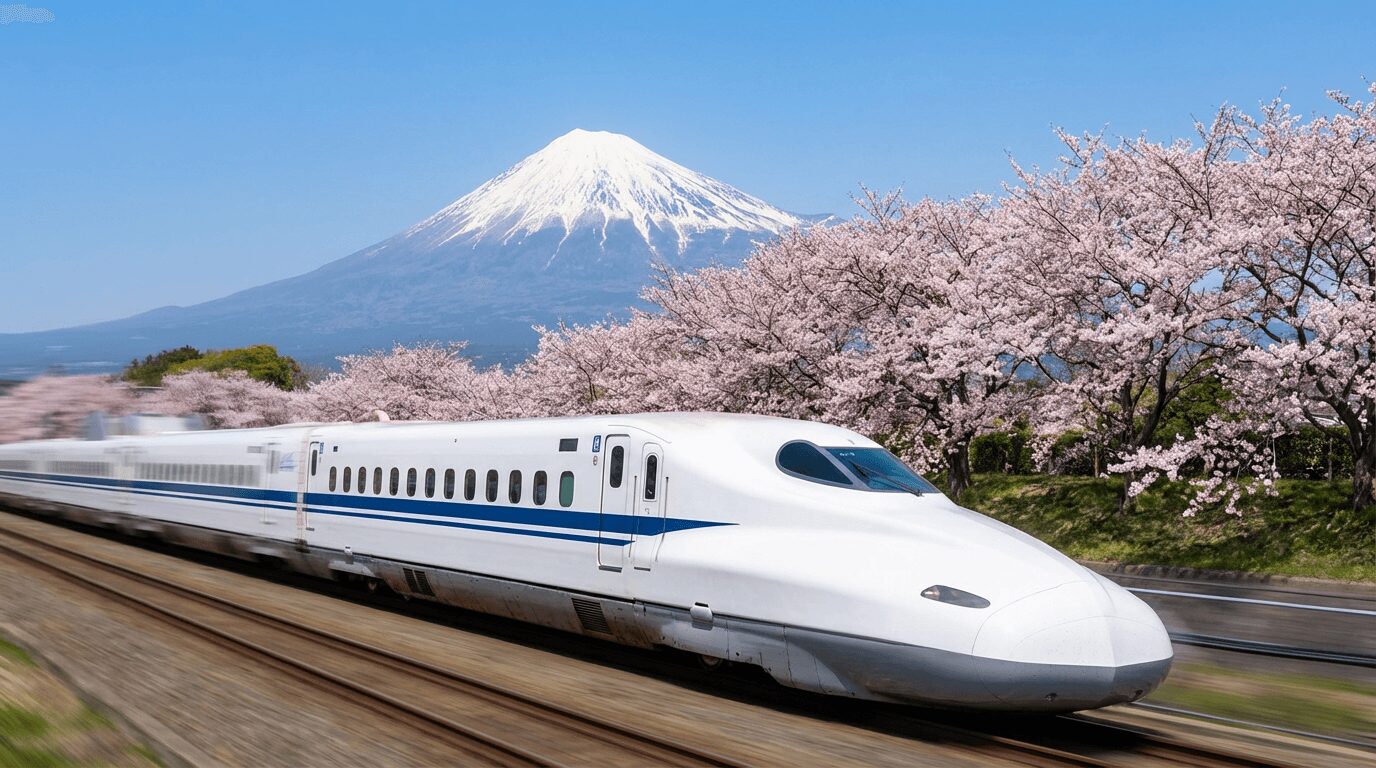
With it, you can ride JR trains—including limited express trains and Shinkansen bullet trains (some exceptions apply)—as many times as you like during the selected period (7, 14, or 21 days).
Shinkansen tickets can be expensive, so if you plan to travel around Japan, it’s worth getting a Japan Rail Pass.
Cheaper
If you travel on multiple segments, it can sometimes be cheaper than buying regular tickets.
Simpler
It reduces the hassle of buying tickets for each leg of the trip.
Once you’ve experienced the urban energy of Harajuku, venture beyond Tokyo to witness Japan’s most celebrated natural landmark and traditional hot spring town.
Mt. Fuji & Hakone Day Trip
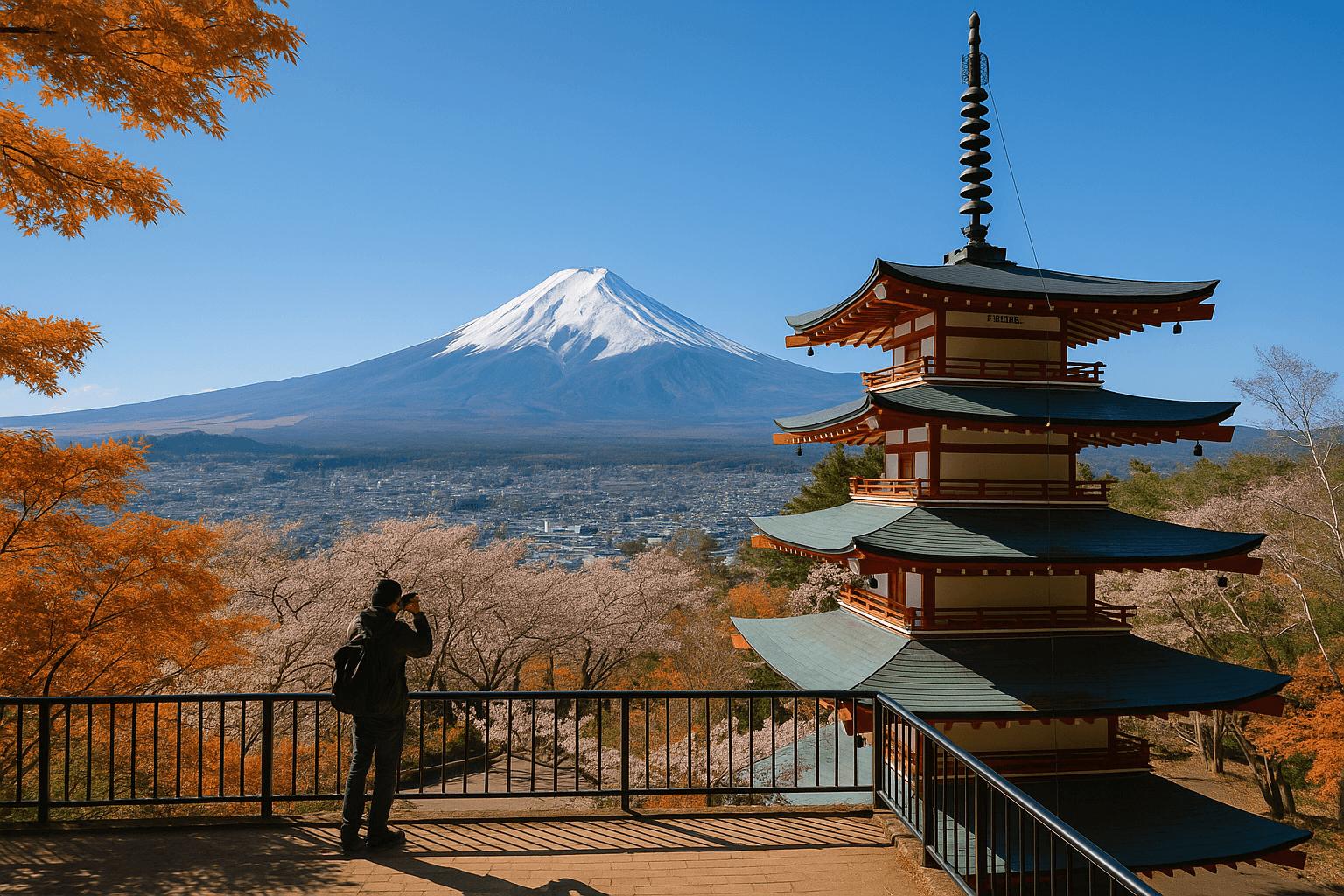
This full-day guided tour takes you from Tokyo to Mt. Fuji’s 5th Station (weather permitting) and the scenic Hakone area, famous for its hot springs, Lake Ashi, and stunning views of Japan’s most iconic mountain.
After experiencing Tokyo’s cutting-edge urban culture in Harajuku, this tour offers the perfect contrast—traditional Japan, natural beauty, and centuries-old hot spring culture. It’s the balance that makes a Japan trip unforgettable.
Duration
~12 hours
Difficulty
Easy walk
Departure
Central Tokyo
Group Size
Small group
Weather Note: Mt. Fuji is often cloud-covered. Tours run in all weather, but summit visibility is not guaranteed. The Hakone area remains beautiful regardless of conditions.
Your Harajuku Journey Awaits
Harajuku is more than a neighborhood—it’s a living, breathing testament to Japan’s unique ability to honor its past while fearlessly embracing the future. From the moment you step off the train at Harajuku Station, you’re immersed in a world where 1,000-year-old Shinto traditions exist harmoniously alongside teenagers in rainbow-colored fashion experimenting with the next global trend.
Whether you’re snapping photos of towering crepes on Takeshita Street, finding inner peace among the 100,000 trees of Meiji Shrine, browsing high-fashion boutiques at Omotesando Hills, or joining a multicultural festival in Yoyogi Park, each of these four destinations reveals a different facet of what makes Tokyo extraordinary.
This is the magic of Harajuku: it’s simultaneously a window into Japan’s imperial history, a laboratory for global pop culture, a sanctuary for spiritual reflection, and an urban playground where millions come to simply enjoy being alive. And all of it is accessible within a 15-minute walk.
Plan 4-6 Hours
Minimum time to meaningfully experience all four attractions
Wear Comfy Shoes
You’ll walk 5-10km exploring these diverse attractions
Bring Your Camera
Every corner offers Instagram-worthy moments
Welcome to Harajuku
Where every visit tells a different story, and tradition and innovation dance together on the streets of Tokyo.