The Ultimate Guide to Kaiten-Zushi: Conveyor Belt Sushi in Japan
Japan Travel Guide 2026
Mastering Kaiten-Zushi The Ultimate Guide to Conveyor Belt Sushi
Affordable, fun, and surprisingly high quality. Discover why eating sushi off a conveyor belt is the #1 “must-do” dining experience for tourists in Japan.
Kaiten-zushi (回転寿司), literally “rotating sushi,” is Japan’s famous conveyor belt sushi dining style. Invented in 1958 by Yoshiaki Shiraishi, it revolutionized the sushi industry by making what was once an expensive luxury accessible to everyone.
For tourists, it is the perfect dining option. It removes the language barrier (you can see what you’re getting!), offers a fun, high-tech atmosphere, and provides incredible value for money. Most plates cost between ¥110 and ¥200 ($0.75 – $1.30 USD), yet the quality often surpasses expensive sushi restaurants abroad.
Unbeatable Price
Enjoy fresh seafood for a fraction of the cost of traditional counters. A full meal often costs less than ¥1,500.
No Language Barrier
Touch panels with English, Chinese, and Korean menus make ordering specific items effortless.
Family Friendly
Spacious booths, kid-friendly side menus (fries, ramen, desserts), and fun ordering games.
Where to Eat
The “Big 4” Sushi Chains (+1)
While there are thousands of shops, these major nationwide chains offer the most consistent, tourist-friendly experience.
Sushiro
スシロー
#1 Popularity
The King of Kaiten-Zushi
Sushiro is widely considered the best all-rounder. They have the highest revenue of any chain in Japan for a reason: the balance between price and quality is unbeatable. They source excellent tuna and frequently have seasonal fairs.
Why it’s unique
• High quality ingredients
• Frequent seasonal campaigns
• Massive menu variety
Tourist Info
• English Menu: Yes (Tablets)
• Avg. Price: ¥120 – ¥360
• Best for: True sushi lovers
Must Try Beginner Dish:
Fatty TunaThe “Maguro” (Tuna) selection at Sushiro is legendary for the price.
Kura Sushi
くら寿司
Best for Fun
Entertainment & Hygiene
Kura Sushi is famous for “Mr. Fresh,” a ventilated dome that covers sushi on the belt to keep it sanitary. But the real draw is Bikkura Pon: for every 5 plates you slide into the disposal slot, a game plays on the screen for a chance to win a capsule toy (gachapon).
Why it’s unique
• “Bikkura Pon” Gacha Game
• Antibacterial Sushi Covers
• No artificial preservatives
Tourist Info
• English Menu: Excellent
• Avg. Price: ¥115 flat (mostly)
• Best for: Families with kids
Must Try Beginner Dish:
Aburi Cheese SalmonSeared salmon with cheese/mayo. A modern classic.
Hamazushi
はま寿司
Best Variety
The Soy Sauce Sommelier
Hamazushi is known for its incredibly low prices (often starting at ¥100/¥110) and its unique soy sauce selection. While most shops offer one type, Hamazushi offers 5-6 different types of regional soy sauces at every table to pair with different fish.
Why it’s unique
• 5+ Types of Soy Sauce
• Famous Voice Actors on Touchpad
• Very quiet, often less crowded
Tourist Info
• English Menu: Yes
• Avg. Price: ¥110 – ¥160
• Best for: Budget travelers
Must Try Beginner Dish:
Roast Beef SushiHamazushi has excellent “meat sushi” options for non-fish eaters.
Uobei
魚べい (Genki Sushi Group)
Best Speed
The “Non-Rotating” Sushi
Uobei (and its sibling Genki Sushi) represents the future. There is no rotating belt with old sushi. Instead, you order everything on a tablet, and it zooms to your seat on a high-speed “Shinkansen” track or space shuttle tray. It’s always fresh made-to-order.
Why it’s unique
• High-speed delivery tracks
• 100% Made-to-Order (Always Fresh)
• Very modern, neon aesthetic
Tourist Info
• English Menu: Yes
• Avg. Price: ¥110 – ¥180
• Best for: Solo diners & Speed
Must Try Beginner Dish:
Shrimp Tempura RollArrives hot and crispy thanks to the speed delivery system.
How to Order & Eat
1
Getting a Seat
Upon entry, look for a machine. Select your party size and choose “Table” (Booth) or “Counter”. Take the ticket with your table number.
Pro Tip: Match the number on your ticket to the number hanging above the table.
2
Ordering
Use the tablet located above or beside the belt. Always look for the language button (usually a flag or “Language” icon).
You can pick plates off the rotating belt freely (unless it’s on a special “Order” base), but ordering via tablet ensures freshness.
3
Paying
Press the “Check Out” or “Call Staff” button on the tablet.
Sushiro/Hama: Staff may come to count plates. Kura: Put plates in the disposal slot. Take the clip/board to the front register to pay.
Essential Manners (Do’s & Don’ts)
NEVER Do This
Don’t touch the belt unless you are taking the plate. Once you touch a plate, you must take it.
Don’t put plates back on the belt. Even if you changed your mind 1 second later. It’s a hygiene violation.
Don’t take just the sushi and leave the plate on the belt. The plate is how they calculate the bill.
Good Manners
Self-Service Tea: Green tea is free. Put a spoonful of powder in your cup and use the hot water tap at your table. Watch out, it’s very hot!
Pickled Ginger: The box of ginger (gari) is free. Use the mini tongs to put some on a small dish or your sushi plate.
Stacking Plates: At non-Kura shops, stack your finished plates neatly at the end of the table by color/price to help staff count them.
Quick Comparison
Chain
Price (Approx)
English Support
Best Feature
Sushiro
¥120 – ¥360
⭐⭐⭐⭐⭐
Best overall quality & variety
Kura Sushi
¥115 Flat
⭐⭐⭐⭐⭐
“Bikkura Pon” Game & Hygiene Cover
Hamazushi
¥110 – ¥160
⭐⭐⭐⭐
Soy sauce variety & meat sushi
Kappa Sushi
¥110 – ¥300
⭐⭐⭐
Salad Roll & occasional All-You-Can-Eat
Uobei / Genki
¥110 – ¥180
⭐⭐⭐⭐⭐
High speed tracks (No belt)
Practical Tips for Tourists
1
Avoiding the Queues
Kaiten-zushi is incredibly popular. Weekends and dinner time (6 PM – 8 PM) can have waits of 60-90 minutes. Go at 11:00 AM right when they open, or mid-afternoon (3:00 PM – 5:00 PM) for zero wait.
2
Finding Locations
Simply search “Sushi” or the chain name (e.g., “Sushiro”) in Google Maps. Most major stations in Tokyo (Shinjuku, Shibuya, Ikebukuro, Ueno) have multiple branches nearby.
3
Wasabi Warning
Many chains (especially Kura and Sushiro) now serve sushi without wasabi (sabi-nuki) by default to accommodate children and foreigners. Packets or jars of fresh wasabi are available on the belt or table for you to add yourself.
A Slice of History
The concept was born in a beer brewery. In 1947, Yoshiaki Shiraishi, a sushi restaurant owner, struggled to staff his shop. Inspired by beer bottles moving on a conveyor belt in a factory, he spent 10 years developing a sushi conveyor system. In 1958, he opened “Mawaru Genroku Sushi” in Osaka. It was an instant hit, turning sushi from an elite luxury into Japan’s favorite fast food.
Private Airport Transfer: Start Comfortably
Stations in Tokyo are far more crowded than you imagine, especially during rush hours. Navigating packed platforms with heavy luggage after a long flight can be exhausting and stressful.
Don’t let transportation fatigue ruin your first day in Tokyo. A private transfer ensures you arrive at your hotel refreshed and ready to explore, without fighting crowds or climbing stairs with suitcases. Of course, airport transfer from the hotel is also available.
More expensive than trains, but infinitely more comfortable Perfect for families, groups, late arrivals, or anyone who values comfort
Japan Rail Pass: Save on Travel
Japan has many wonderful destinations to visit besides Tokyo. If you’re hoping to explore them, we recommend purchasing a Japan Rail Pass!
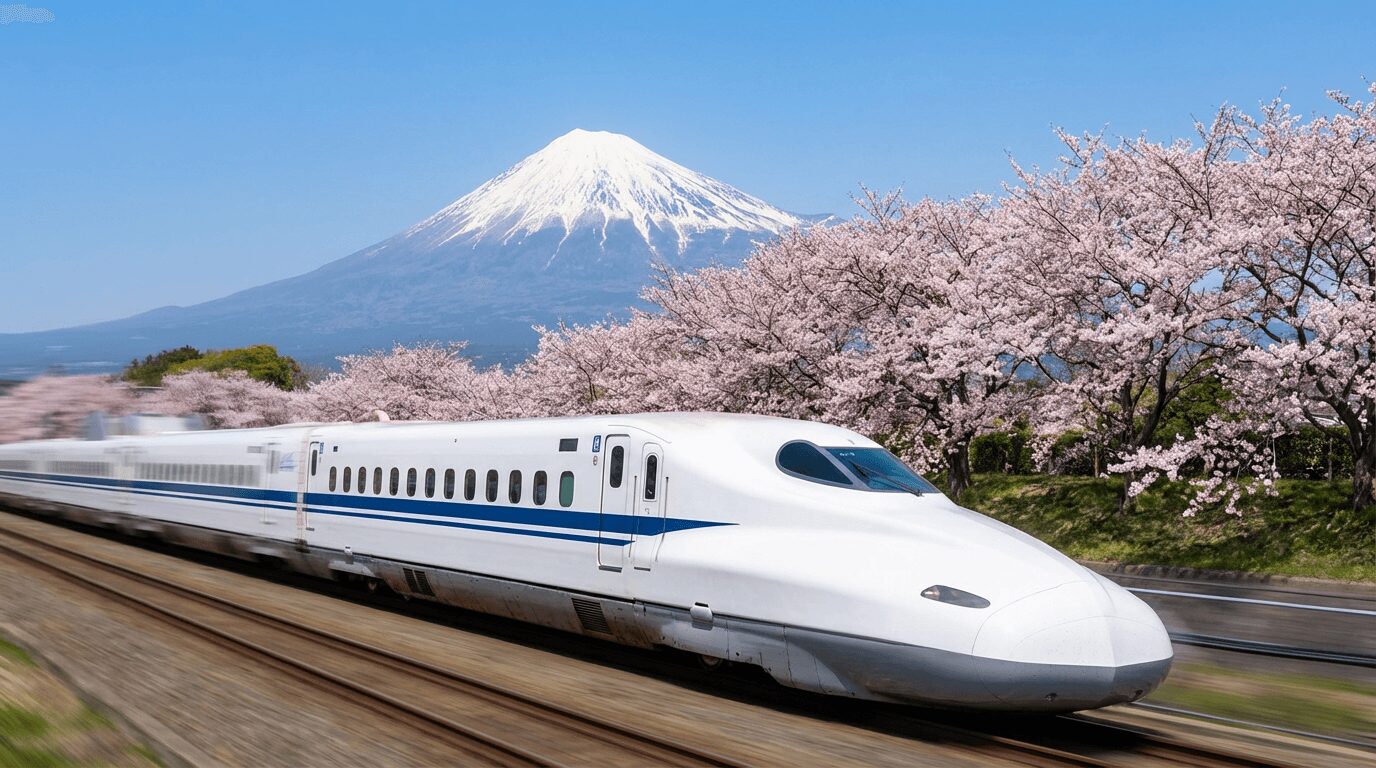
With it, you can ride JR trains—including limited express trains and Shinkansen bullet trains (some exceptions apply)—as many times as you like during the selected period (7, 14, or 21 days).
Shinkansen tickets can be expensive, so if you plan to travel around Japan, it’s worth getting a Japan Rail Pass.
Cheaper
If you travel on multiple segments, it can sometimes be cheaper than buying regular tickets.
Simpler
It reduces the hassle of buying tickets for each leg of the trip.
Extend Your Tokyo Adventure: Mt. Fuji & Hakone Day Trip
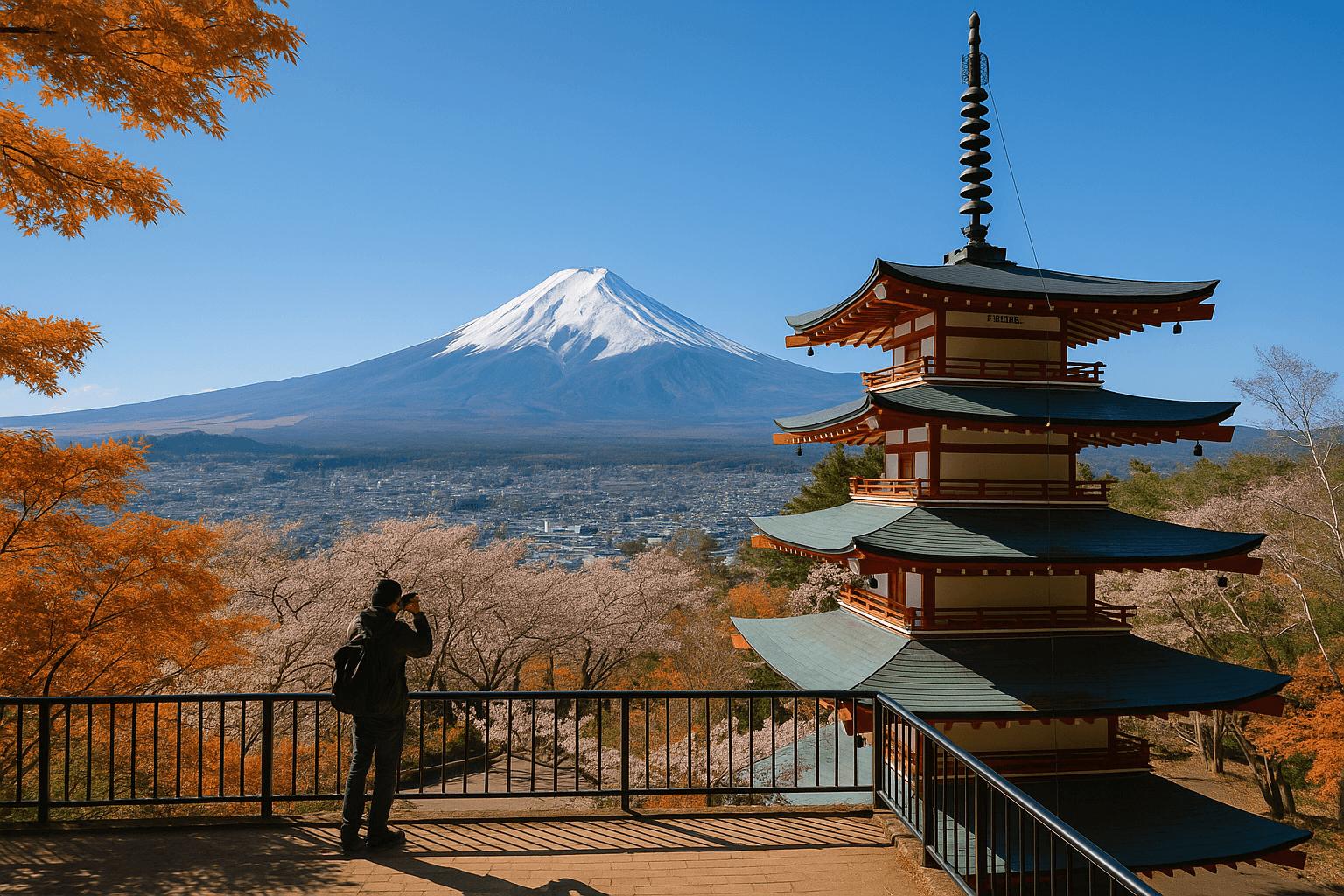
After enjoying delicious conveyor belt sushi in Tokyo, contrast urban culinary experiences with Japan’s natural icon. Visit Mt. Fuji, cruise Lake Ashi, and relax in traditional hot springs—all in one unforgettable day from Tokyo.