Spirited Away Location 30+ Historic Buildings Only ¥400
What is Edo-Tokyo Open Air Architectural Museum?
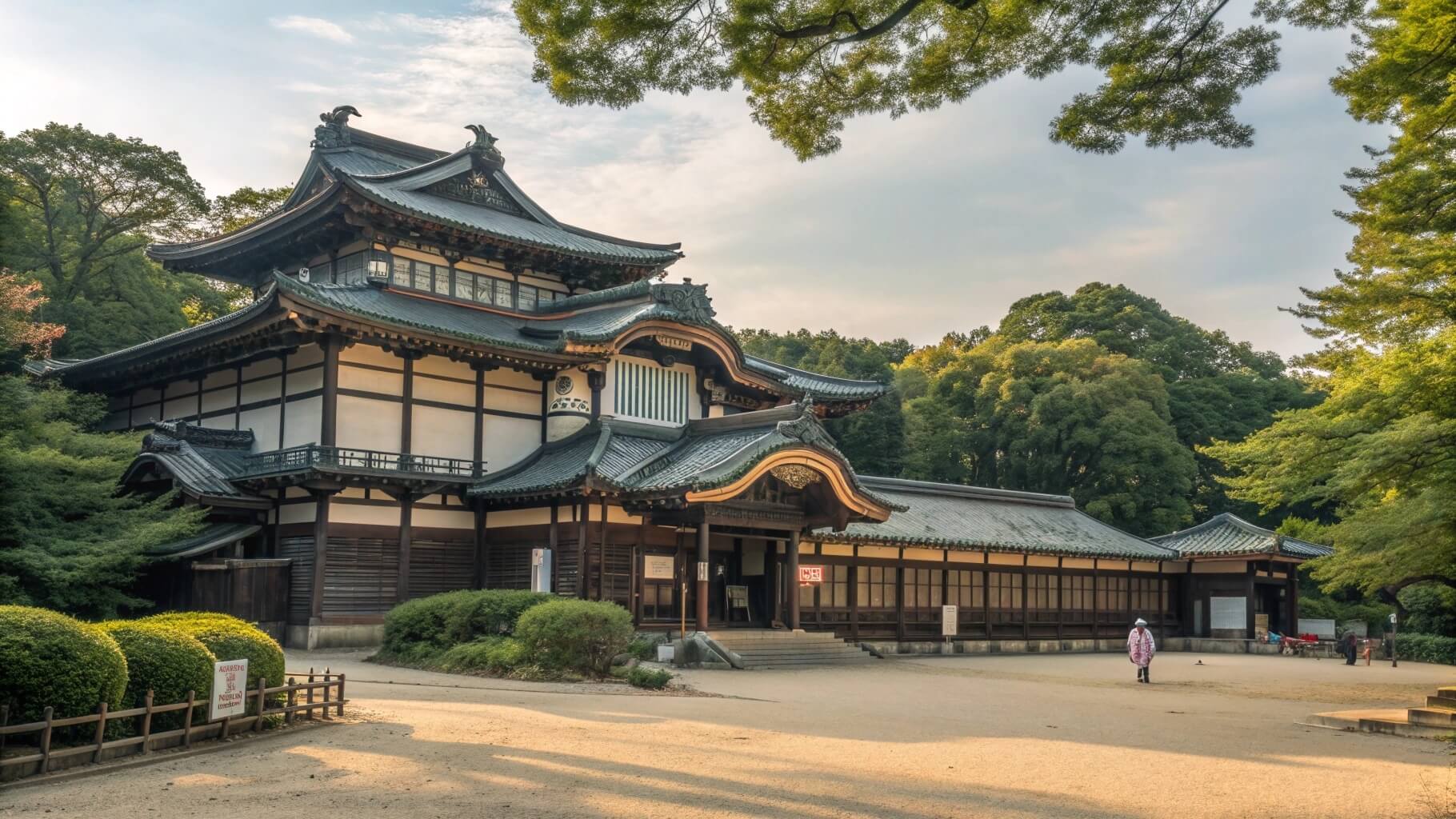
Edo-Tokyo Open Air Architectural Museum (江戸東京たてもの園) is where Studio Ghibli’s magic meets real history. This extraordinary outdoor museum in Koganei Park preserves over 30 historic buildings from the Edo period to early Showa era, including the famous Kodakara-yu bathhouse that inspired the iconic bathhouse in Hayao Miyazaki’s “Spirited Away.”
Unlike typical museums, you can walk inside every building, touch the exhibits, and experience authentic Japanese architecture spanning 400 years. Miyazaki himself frequently visited this museum for inspiration since Studio Ghibli is based in Koganei City. With a TripAdvisor rating of 4.5/5 (372+ reviews) and admission of just ¥400, this hidden gem offers 2-4 hours of immersive time travel without the crowds of major Tokyo attractions.
Best For
Ghibli fans, architecture lovers, families, history enthusiasts
Time Required
2-4 hours (includes photo stops)
Admission
Adults ¥400 / Students ¥200 / Kids FREE
Why Choose Edo-Tokyo Open Air Architectural Museum?
Walk Into Spirited Away
Kodakara-yu bathhouse served as the direct inspiration for the iconic bathhouse in “Spirited Away.” Hayao Miyazaki frequently visited this museum since Studio Ghibli is based in Koganei City. The eastern zone’s streetscape also influenced the film’s world. For Ghibli fans, this is a pilgrimage site where movie magic meets reality.
Interactive Living Museum
Unlike glass-case museums, you can enter all 30+ buildings, walk on tatami mats, explore merchant shops, and sit in traditional farmhouses. Touch Edo-era tools, peek into昭和-era shops, and experience 400 years of Japanese architecture firsthand. It’s architecture you can live in, not just look at.
No Crowds, Pure Experience
While Senso-ji gets 30 million tourists/year and Meiji Jingu gets 3 million, this museum sees only 230,000 visitors annually. Foreign tourists say: “It is not crowded. The visit can take 2 to 4 hours.” Enjoy peaceful exploration at your own pace in Koganei Park’s natural setting.
Unbeatable Value
Just ¥400 admission (vs ¥1,000+ at major museums) for 2-4 hours of immersive experience. Free for kids under 15. English signage throughout. TripAdvisor reviewers rave: “Great for visitors of all ages. Signs and descriptions in Japanese and English.”
How to Get There
Location: Koganei Park, Western Tokyo
Address: 3-7-1 Sakura-cho, Koganei-shi, Tokyo 184-0005 From Central Tokyo: 30-40 minutes by train
1 Musashi-Koganei Station (武蔵小金井駅) – Main Route
Line: JR Chuo Line (orange line)
From Shinjuku: 30 minutes direct
From Tokyo Station: 40 minutes (transfer at Ochanomizu)
Exit: North Exit → Bus Stop 2 or 3
Bus: 5 minutes to “Koganei-Koen Nishiguchi” (小金井公園西口)
Walk: 5 minutes from bus stop
2 Hana-Koganei Station (花小金井駅) – Alternative Route
Line: Seibu Shinjuku Line
From Seibu-Shinjuku: 30 minutes direct
Bus: To “Koganei-Koen Nishiguchi” (小金井公園西口)
Walk: 5 minutes from bus stop
Edo-Tokyo Open Air Architectural Museum
Pro Tip: Skip the Crowded Trains!
Tokyo’s trains can be overwhelming, especially during rush hours. Consider a private guided tour with hotel pickup (see below) for a stress-free experience!
This is the moment every Ghibli fan has been waiting for. Built in 1929 in Ashio, Tochigi, Kodakara-yu is the direct inspiration for the bathhouse in Hayao Miyazaki’s “Spirited Away” (千と千尋の神隠し). The ornate facade with its carved decorations, colorful tiles, and Mount Fuji mural inside captures the exact aesthetic that defined the film’s iconic setting.
Why Ghibli Fans Love It
Movie Magic Made Real: Walk into the bathhouse that inspired Yubaba’s bathhouse
Miyazaki’s Inspiration: Studio Ghibli is in Koganei City – he visited here frequently
Detailed Architecture: Ornate carvings, tile work, and traditional sento design
Photo Paradise: One of Tokyo’s most Instagrammable spots
What Foreign Visitors Say
“This bathhouse is the highlight! If you love Spirited Away, you MUST visit. It’s like stepping into the movie. The details are incredible.” – TripAdvisor Review
Practical Information
Built: 1929 (Taisho/Showa era)
Original Location: Ashio, Tochigi
Style: Traditional sento (public bathhouse)
Photo Ops: Exterior facade, interior mural
Pro Tip
Visit early morning (opening time) for photos without crowds. The morning light on the facade is magical. Don’t miss the Mount Fuji mural inside – it’s a traditional sento feature that also appears in the film!
2
Edo-Era Merchant Houses (商家)
Step Into Old Tokyo’s Shopping Streets
Interactive Shops Enter Every Building Edo & Meiji Era
Walk down a recreated Edo-period shopping street where every building tells a story. Explore authentic merchant shops including a stationery store, cosmetics shop, flower shop, tavern, and umbrella shop. Unlike museum displays behind glass, you can enter every building, touch the merchandise, and imagine daily life in old Tokyo.
Featured Shops
Musashiya Stationery (武蔵屋): Brushes, ink, paper from the 1920s
Mitsui Cosmetics Shop (三井化粧品店): 1930s beauty products and signage
Kagiya (鍵屋): Traditional umbrella and hardware shop
Kamera Tavern (かめら居酒屋): Old Tokyo drinking establishment
What Foreign Visitors Say
“You can walk into all the shops and see how people lived. It feels like time travel! The details are amazing – old products, signage, everything authentic.” – TripAdvisor Review
3
Mitsui Hachiroemon Residence
Meiji-Era Mansion of Elite Tokyo
Important Cultural Property Grand Mansion East-Meets-West
Experience how Tokyo’s wealthy elite lived during the Meiji era (1868-1912). This designated Important Cultural Property showcases hybrid Japanese-Western architecture – a hallmark of Japan’s modernization. The mansion combines traditional tatami rooms with Western-style parlors, featuring stained glass, Western furniture, and exquisite craftsmanship.
Architectural Highlights
Western Parlor: Stained glass, chandelier, Victorian furniture
Traditional Rooms: Tatami, shoji screens, tokonoma alcoves
Japanese Garden: Landscaped garden visible from rooms
Meiji Craftsmanship: Intricate woodwork and architectural details
What Foreign Visitors Say
“The Mitsui mansion is stunning! The blend of Japanese and Western design shows Japan’s modernization beautifully. Don’t rush through – every room has details worth seeing.” – TripAdvisor Review
4
Traditional Farmhouses (農家)
Experience Rural Edo Japan
Rural Life Thatched Roof Hands-On Exhibits
Step into the rural world of Edo-period farmers with authentic thatched-roof farmhouses (kayabuki-yane). These buildings showcase irori hearths (sunken fireplaces), earthen floors (doma), and agricultural tools that sustained Japan for centuries. Feel the cool earth floors in summer, see how families cooked over open flames, and understand the rhythms of rural Japanese life.
Experience Rural Edo
Thatched Roofs: Traditional kayabuki construction kept homes cool in summer, warm in winter
Irori Hearth: Central fireplace for cooking, heating, and family gathering
Doma (Earthen Floor): Practical work area for farm tasks
Farm Tools: See actual tools used for rice cultivation and daily life
What Foreign Visitors Say
“The farmhouses are fascinating! You can really feel how people lived. My kids loved the irori fireplace and old farm tools. Very educational and authentic.” – TripAdvisor Review
5
Eastern Zone Street (東ゾーン)
Showa-Era Tokyo Streetscape & More Ghibli Inspiration
Miyazaki Inspiration Retro Vibes Full Streetscape
Walk down a complete Showa-era (1926-1989) downtown street that served as another inspiration source for Hayao Miyazaki. This photogenic streetscape recreates early 20th-century Tokyo with shops, police boxes, streetlights, and signage frozen in time. The nostalgic atmosphere captures the old Tokyo aesthetic that permeates many Ghibli films.
What You’ll See
Complete Street: Full streetscape with multiple buildings side-by-side
Showa Shops: Pharmacy, photo studio, bar, all with original signage
Street Details: Period-correct lighting, utility poles, street furniture
Ghibli Connection: Visual inspiration for multiple Miyazaki films
What Foreign Visitors Say
“The eastern zone street is like stepping into an old Japanese movie! Perfect for photos. You can see why Miyazaki loved this place – it’s pure nostalgia.” – TripAdvisor Review
Pro Tip for Photographers
Golden hour (late afternoon) creates magical lighting on this street. The low sun highlights the signage and creates dramatic shadows. Bring a wide-angle lens to capture the full streetscape!
Skip the Crowded Tokyo Trains: Private Guided Tour
Hotel Pickup + Expert Guide + No Train Stress
Why Choose a Private Tour?
Hotel Pickup
Direct pickup from your accommodation – no navigation stress
Expert Guide
English-speaking guide explains Ghibli connections & history
3-Hour Tour
Perfect duration to see highlights without rushing
Avoid Tokyo’s Crowded Train System
Tokyo’s trains can be overwhelming – complex route maps, crowded rush hours, confusing station exits. The museum requires a train + bus combination which can be stressful for first-time visitors.
A private tour eliminates all this stress: Your guide picks you up, handles all transportation, explains everything in English, and ensures you don’t miss the Ghibli highlights. Perfect for families, Ghibli fans, and anyone who wants a relaxed, in-depth experience.
Spring (March-May): Cherry blossoms in Koganei Park + comfortable weather
Autumn (October-November): Fall foliage + fewer crowds
Opening Time (9:30 AM): Fewer visitors, better photos
Avoid: Weekends & Japanese holidays (more crowded)
Budget Guide
Museum Admission: ¥400 (adults), ¥200 (students), FREE (under 15)
Train from Shinjuku: ~¥220 (JR Chuo Line)
Local Bus: ~¥220 (to museum entrance)
Lunch in Koganei Park: ¥500-1,000 (bring your own or cafe)
Total Budget: ~¥1,500-2,000 per person
What to Bring
Camera: The museum is incredibly photogenic!
Comfortable Shoes: Lots of walking on gravel paths
Weather Gear: Outdoor museum – bring umbrella/sunscreen
Socks: You’ll remove shoes in some buildings
Water Bottle: Stay hydrated while exploring
Top Photo Spots
Kodakara-yu Facade: The Spirited Away bathhouse
Merchant Street: Edo-era shop fronts
Eastern Zone: Full Showa-era streetscape
Mitsui Residence: Grand mansion interior & garden
Gardens: Traditional Japanese landscaping
Suggested 3-Hour Itinerary
9:30 AM
Arrive at Opening
Start at Visitor Center, get map, head straight to Kodakara-yu for photos without crowds
10:00 AM
Western Zone Buildings
Explore Mitsui Residence, farmhouses, and residential buildings
11:00 AM
Center Zone Merchant Houses
Walk through Edo shopping street, enter all the shops
12:00 PM
Eastern Zone & Photo Time
Showa-era streetscape photography, final exhibits
12:30 PM
Lunch in Koganei Park
Picnic or visit park cafe, enjoy the green space
Private Airport Transfer: Start Comfortably
Stations in Tokyo are far more crowded than you imagine, especially during rush hours. Navigating packed platforms with heavy luggage after a long flight can be exhausting and stressful.
Don’t let transportation fatigue ruin your first day in Tokyo. A private transfer ensures you arrive at your hotel refreshed and ready to explore, without fighting crowds or climbing stairs with suitcases. Of course, airport transfer from the hotel is also available.
More expensive than trains, but infinitely more comfortable Perfect for families, groups, late arrivals, or anyone who values comfort
Japan Rail Pass: Save on Travel
Japan has many wonderful destinations to visit besides Tokyo. If you’re hoping to explore them, we recommend purchasing a Japan Rail Pass!
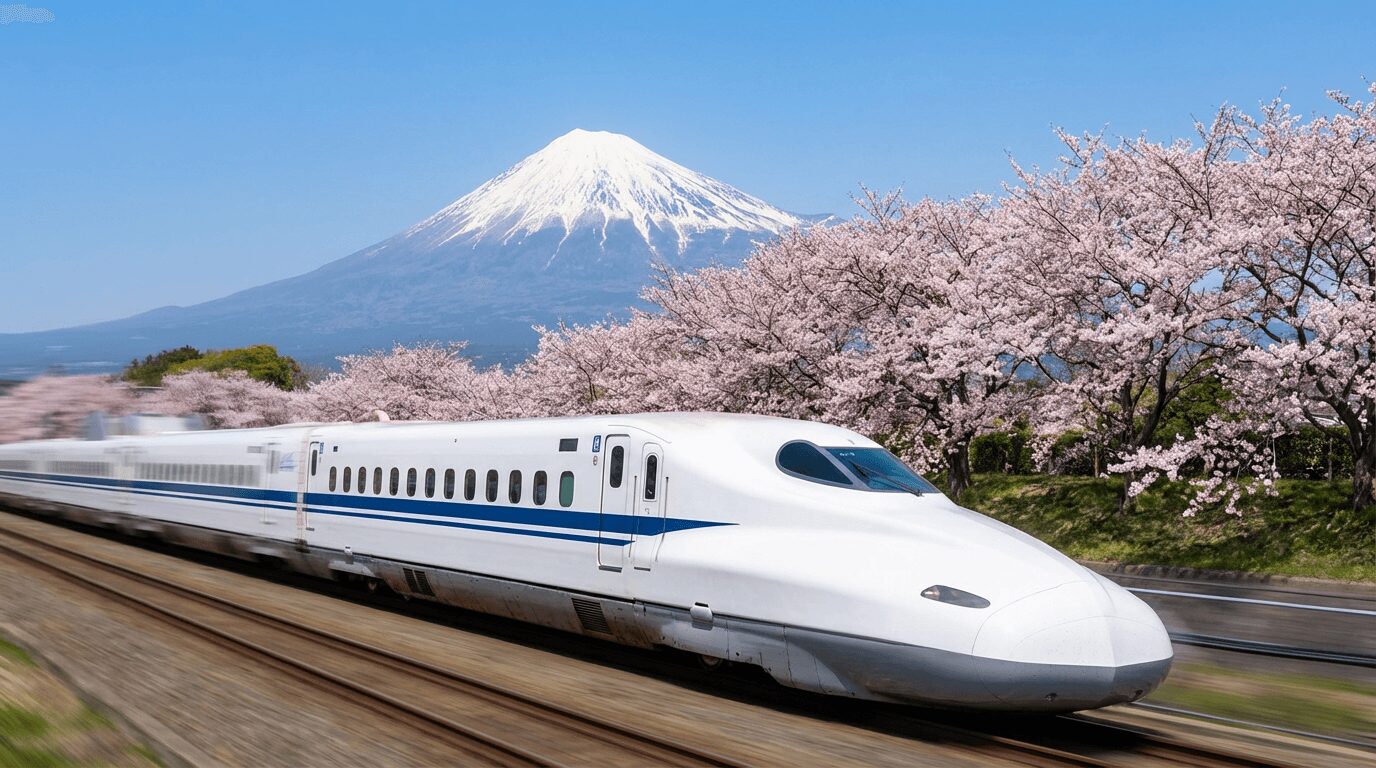
With it, you can ride JR trains—including limited express trains and Shinkansen bullet trains (some exceptions apply)—as many times as you like during the selected period (7, 14, or 21 days).
Shinkansen tickets can be expensive, so if you plan to travel around Japan, it’s worth getting a Japan Rail Pass.
Cheaper
If you travel on multiple segments, it can sometimes be cheaper than buying regular tickets.
Simpler
It reduces the hassle of buying tickets for each leg of the trip.
Extend Your Tokyo Adventure: Mt. Fuji & Hakone Day Trip
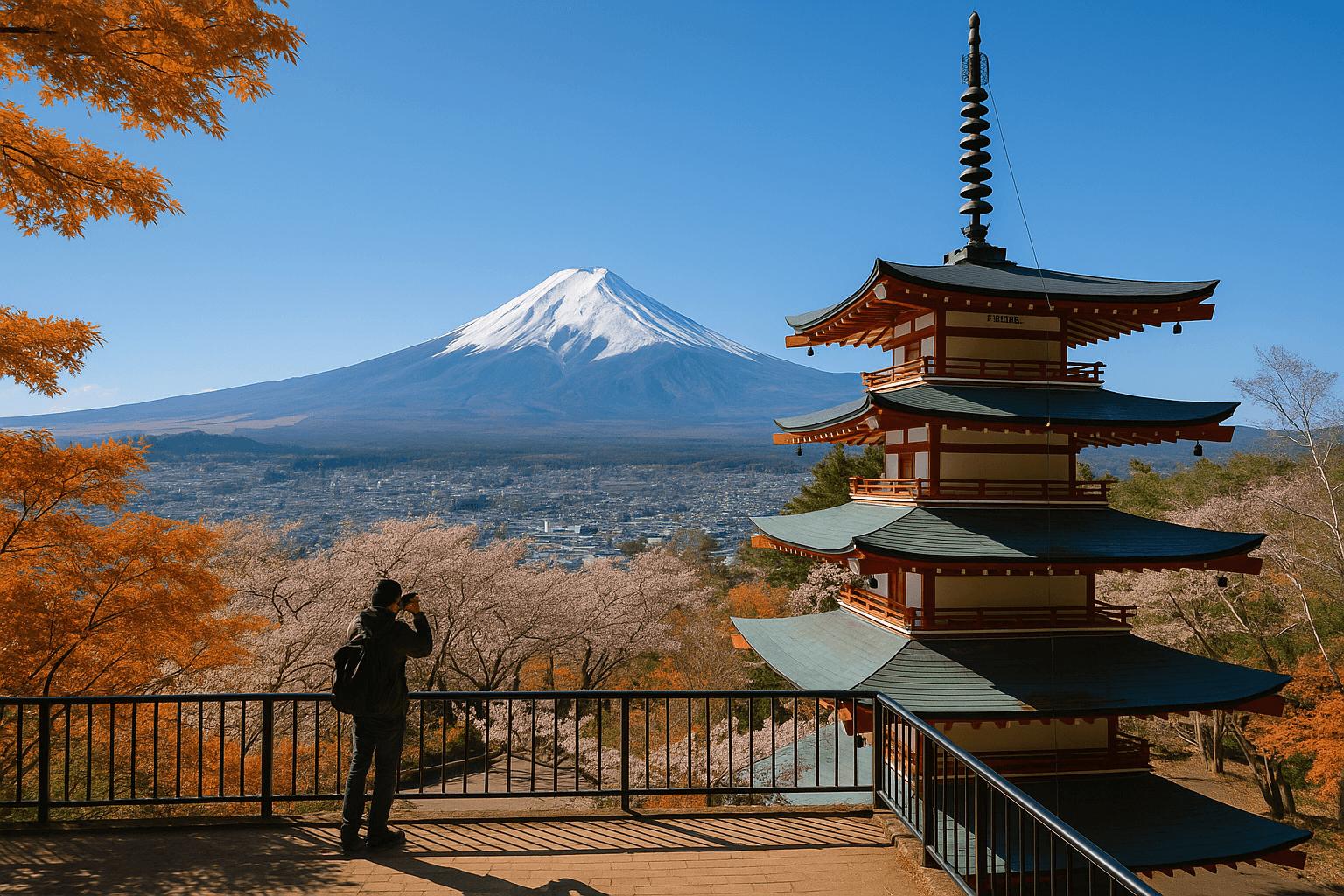
After experiencing Edo-era architecture and Ghibli magic, contrast it with Japan’s natural beauty on a Mt. Fuji day trip. Visit the iconic mountain, cruise Lake Ashi, and relax in traditional hot springs – all in one unforgettable day from Tokyo.